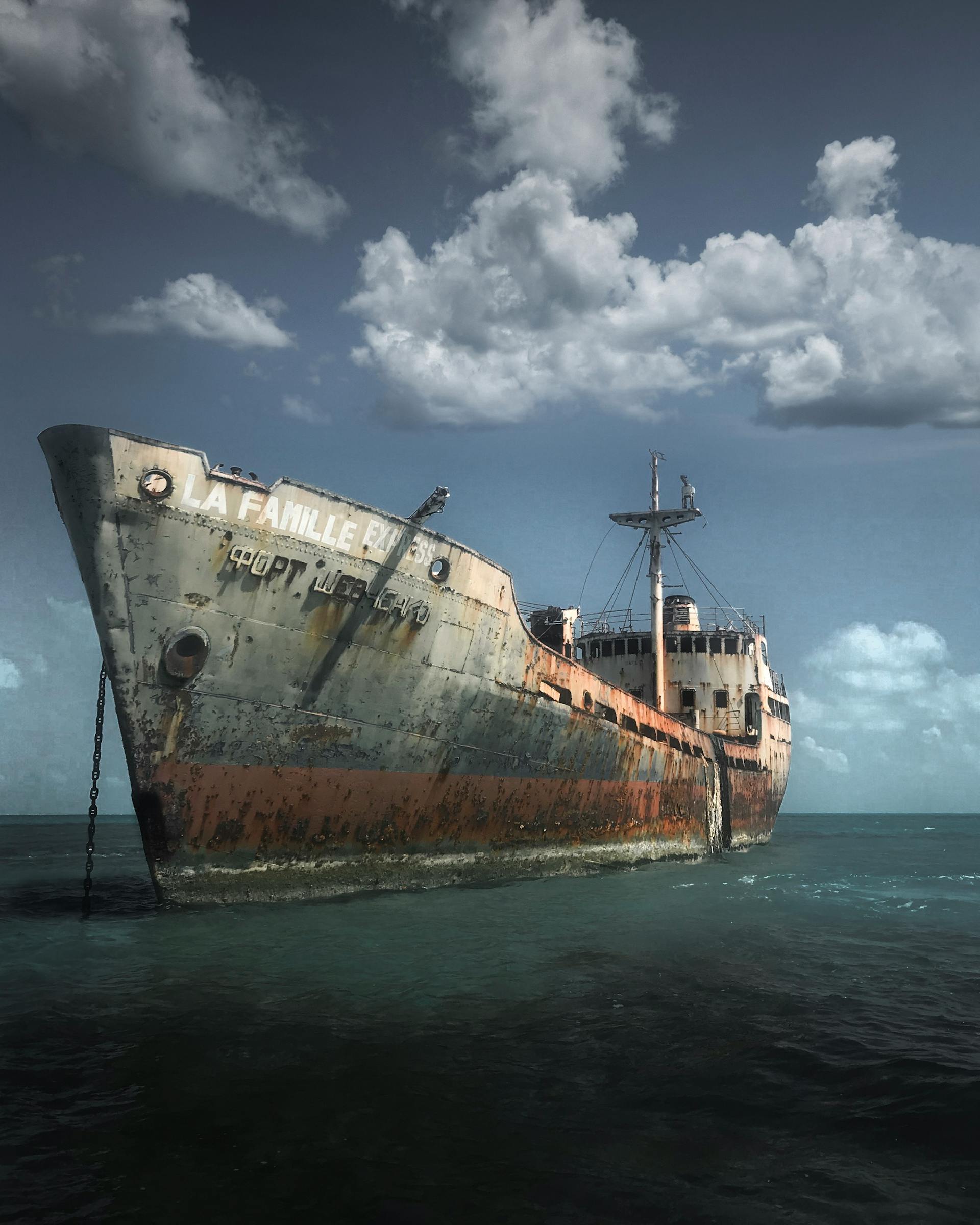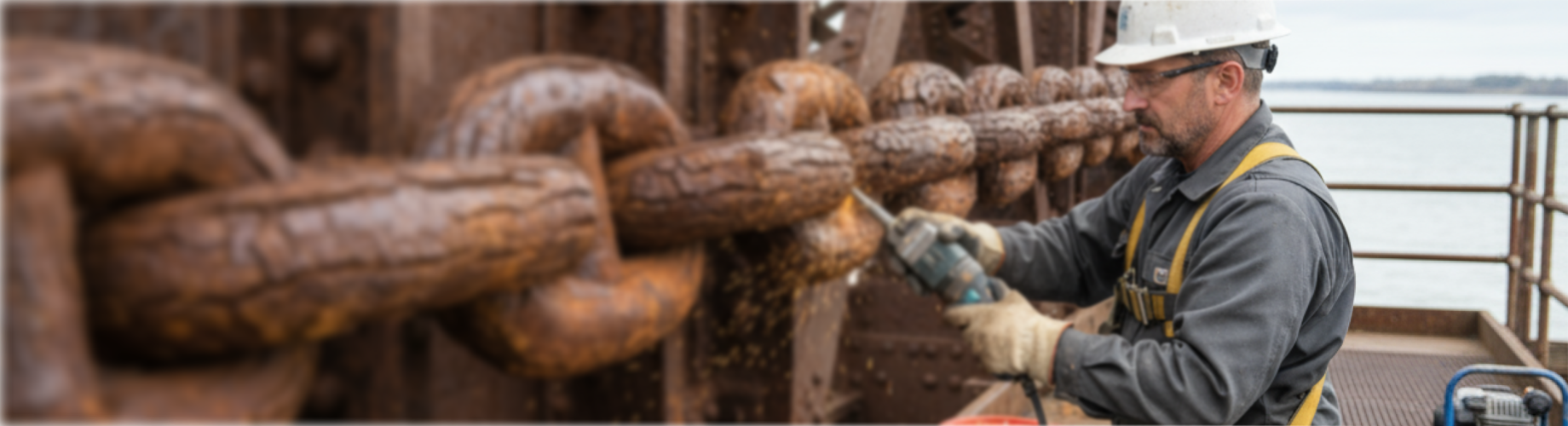
Corrosion directly costs the global economy USD$2.5 TR/ year (or $80k / second!) in material, labour and equipment [NACE Impact Study 2016]. ICE often finds that direct corrosion costs are embedded in maintenance budgets (or other) and clients do not have transparency on what their financial risks are. The lack of visibility and data-informed planning can cause unexpected budget variance.
Once we start to measure it, ICE Dragon sees a wide variation in the Maintenance budgets for operating teams due to corrosion but we have seen a range from $1-10M / yr. However, this number is a function of many factors: ore type, location, geography, water source, design, plant age/size etc.
Companies that are unable to manage the hidden degradation risks to their critical assets will have more to lose. They will:
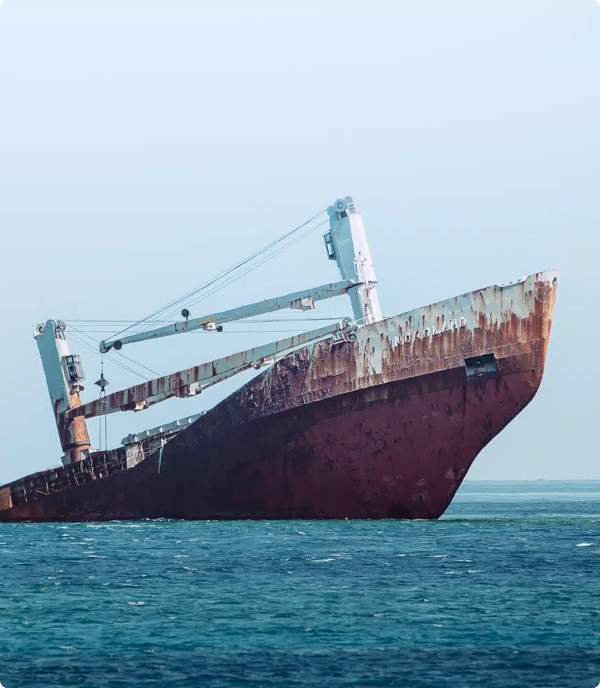
ICE has found that indirect costs for our clients (e.g. from production shutdowns, clean up costs etc) can be at least a similar order of magnitude versus direct costs – if not significantly higher and again these vary. Examples of indirect costs include:
Companies who successfully manage physical asset degradation risk are winners. They will:
Companies that are unable to manage the hidden degradation risks to their critical assets will have more to lose. They will:
Companies who successfully manage physical asset degradation risk are winners. They self-report that they are: